Why Sydney roofs give trouble
Sydney Roofs Repair arranges roof repairs and replacements across metropolitan Sydney, and the same problems come up again and again. Sydney's mix of hot summers, sudden thunderstorms, hail, east coast lows and salt-laden sea breezes is hard on roofing materials. Add a housing stock that ranges from Victorian terraces to 1970s brick veneer and new townhouses, and you get a predictable set of faults. This guide explains each one, how to spot it and what usually fixes it.
Ridge capping that has cracked or come loose
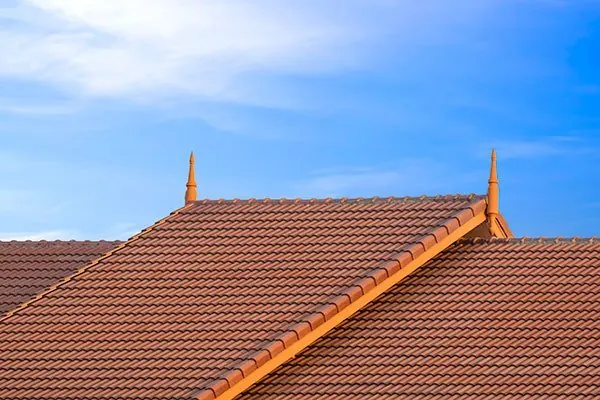
On tiled roofs, the caps along the ridges and hips sit on a mortar bed with a flexible pointing layer on top. Decades of heat and movement crack the bedding and pointing, and caps start to move. Wind-driven rain then gets in under them.
Signs: visible cracks or gaps along the ridge line, bits of mortar in the gutters, leaks near the top of the roof.
Usual fix: re-pointing, or re-bedding and re-pointing where the old mortar has failed.
Cracked, broken and slipped tiles
Tiles crack under foot traffic, hail, falling branches and the weight of ladders. Concrete tiles also become brittle with age. A cracked tile may not leak immediately, but water eventually finds the gap.
Signs: visible cracks, gaps in the tile pattern, tile fragments in gutters, leaks after rain.
Usual fix: replacing individual tiles with matching new or salvaged tiles.
Blocked valleys and gutters
Sydney's street trees and gardens shed a lot of material: gum leaves, jacaranda and plane tree leaves, palm fronds and seed pods. Valleys and gutters fill up, and when heavy rain arrives, water spills over the valley edges under the tiles or backs up over the fascia into the eaves.
Signs: overflowing gutters in rain, plants growing in gutters, staining on fascias and eaves, leaks near valleys.
Usual fix: cleaning, replacing rusted valley irons, and in some cases wider valleys or gutter guards.
Rust on steel roofs
Older galvanised iron rusts along the laps, at the gutter line and around fixings. Pre-painted steel lasts much longer but can still corrode where debris sits, where incompatible metals drain onto it, or where the wrong grade was used near the coast.
Signs: brown staining, flaking, pinholes, daylight visible from the roof space.
Usual fix: replacing affected sheets, or a full metal roof replacement where the rust is widespread.
Failed flashings
Flashings seal the joins between the roof and walls, chimneys, skylights, vents and other penetrations. Lead and zinc flashings split with age, sealants dry out, and poorly fitted flashings lift in wind.
Signs: leaks near chimneys, skylights or where a roof meets a wall, visible gaps or lifted metal.
Usual fix: replacing the flashing properly, rather than relying on more silicone.
Storm and hail damage
Spring and summer storms in Sydney can bring hail large enough to break tiles and dent steel, and strong winds that lift sheets, caps and flashings. East coast lows bring prolonged rain driven by strong winds.
Signs: broken tiles, debris on the roof, lifted sheets, sudden leaks after a storm.
Usual fix: make-safe first, then permanent repair or replacement. See our emergency roof work page.
Pipe collars and penetrations
Every pipe, flue, aerial and air-conditioning duct that passes through the roof is a potential leak. Rubber collars perish in the sun, and penetrations added years after the roof was built are often poorly sealed.
Signs: leaks near bathrooms, kitchens or where a recent installation went in.
Usual fix: new collars, proper flashing and correctly sealed penetrations.
Damage from other trades
Solar installers, antenna technicians and air-conditioning installers walk on roofs and drill through them. Cracked tiles and poorly sealed fixings often follow.
Signs: leaks that start soon after other work on the roof.
Usual fix: replacing damaged tiles, resealing penetrations, and raising it with the installer.
Ageing asbestos cement roofs
Many post-war homes, garages and sheds have corrugated asbestos cement roofs. As they age they crack, leak and grow lichen.
Signs: grey corrugated sheets, cracked ends, heavy lichen.
Usual fix: professional assessment and, usually, licensed removal and replacement. See our asbestos roof page.
Poor ventilation and condensation
Roof spaces without enough ventilation can trap heat in summer and moisture in winter. Condensation forming on the underside of steel can drip and look like a leak.
Signs: damp insulation without any obvious leak, mould on ceilings, very hot roof spaces.
Usual fix: insulated blankets under steel, roof vents or whirlybirds, and attention to bathroom exhaust fans that vent into the roof space.
How these problems show up across Sydney
The same faults appear everywhere, but some are more common in particular parts of the city.
- Inner suburbs with terraces: box gutters overflowing, slipped slates, split chimney flashings and leaking rear skillions.
- Harbour and beach suburbs: corroded steel, fixings and gutters, and storm damage from strong onshore winds.
- Middle-ring Federation and inter-war suburbs: terracotta roofs with tired ridges, valleys and no sarking.
- Western and south-western suburbs: worn concrete tiles, cracked ridge pointing from summer heat, and hail damage after severe storms.
- Bushland-edge suburbs: leaf-packed gutters and valleys, and branch damage.
- Post-war fibro suburbs: ageing asbestos cement roofs on houses, garages and sheds.
Knowing what is typical for your area helps you ask the contractor the right questions.
What to do next
If you have noticed any of these problems, the next step is an inspection. Our roof repairs page explains how repairs are diagnosed and quoted. If the roof seems to have several problems at once, read roof repairs versus roof replacement.
General information for Sydney property owners. It does not replace an inspection of your roof, and rules change: check with your council, NSW Fair Trading or SafeWork NSW as relevant before acting.