SYDSydney Roofs Repair

Tile roof replacement for Sydney homes

Old tiled roofs usually fail slowly: porous tiles, perished ridge mortar, no sarking, tired valleys. Re-tiling deals with all of it at once and keeps the look that suits the house.

At a glance

  • Tile types Concrete, terracotta (Marseille, flat, shingle profiles), glazed
  • Replaced with New tiles on new battens and sarking, or steel
  • Heritage Check controls before changing tile type or colour
  • Quote Free, after an inspection on site
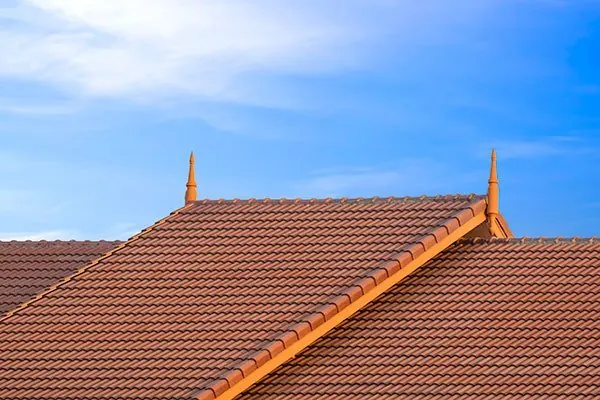
Two levels of brown ceramic tile roof on an older house

Tile roof replacement across Sydney

Sydney Roofs Repair arranges tile roof replacement for houses across metropolitan Sydney. The job involves removing worn concrete or terracotta tiles and their battens, fixing new battens over fresh sarking, laying new tiles, and finishing the ridges, hips, valleys and flashings. Where the owner prefers it and planning controls allow, the roof can instead be converted to steel. Independent local roofing contractors do the work.

Sydney's tiled roofs

Tiled roofs are everywhere in Sydney, and they come in two broad generations.

  • Terracotta on older houses. Federation and inter-war houses across the inner and middle-ring suburbs often wear Marseille-pattern terracotta. The tiles themselves can last a very long time, but the battens, fixings, ridge mortar and flashings around them wear out, and many of these roofs have no sarking.
  • Concrete on post-war and later houses. Brick-veneer homes from the 1960s onward, especially across western and southern Sydney, mostly have concrete tiles. Their surface wears away over decades, leaving tiles that absorb water, grow moss and lichen, and crack easily.

Signs a tile roof needs replacing

  • Many cracked or broken tiles, and more each time someone walks on the roof.
  • Tiles that are soft, sandy or flaking on the surface.
  • Sagging lines along the roof, which point to battens or frame problems.
  • Water marks on ceilings in several rooms, not just one.
  • Ridge capping that has been patched repeatedly and is loose again.

A single leak does not mean the roof is finished. Our roof repairs page covers targeted fixes, and the inspection should tell you which situation applies.

Getting the details right

A new tile roof is only as good as what sits under and around the tiles. Battens should be sized and spaced for the chosen tile. Sarking should be installed with proper laps and drained into the gutter. Tiles should be clipped or fixed to suit the wind conditions on the site. Valleys should be wide enough to carry the water from a Sydney summer storm, and flashings at walls and chimneys should be properly stepped and sealed. Ask the contractor how each of these will be done.

Ridge and hip options

Traditional ridge capping is bedded in mortar and finished with flexible pointing. Some newer tile systems use a dry ridge, where the caps are mechanically fixed over a vented strip. Both can work well. Ask which method the quote includes, and what maintenance it will need.

Re-tile or switch to steel?

The choice comes down to the look of the house and the street, any heritage controls, the budget and personal preference. Tiles are heavier and slower to lay, but they are quiet in rain and suit many period homes. Steel is light, fast and has fewer joints. Our metal versus tile guide sets out the trade-offs for Sydney conditions.

Checklist: what the tile roof replacement quote should cover

1Removal and disposal of the old tiles and battens
2Tile range, profile and colour, with a sample or photo
3Batten size and spacing to the tile manufacturer's requirements
4Sarking or foil blanket under the new tiles
5Ridge and hip method: mortar bed and pointing, or a dry ridge system
6Valley irons, flashings and any lead or soaker work at walls and chimneys
7Tile clips and fixing pattern for the wind area
8Gutters and downpipes if included, and site clean-up

Sydney roofing price bands →

Q&A

Straight answers to common questions

How do I know my tiles are worn out rather than just dirty?

Dirty tiles clean up; worn tiles do not. Concrete tiles that have lost their surface feel sandy, absorb water and crack easily underfoot. If a contractor can break a tile edge with their fingers, or the roof needs several cracked tiles replaced each year, the tiles are near the end.

Can I re-use some of the old tiles?

Sometimes. Terracotta in particular can last a very long time, and sound old tiles can be set aside to replace broken ones or used on a rear slope. Re-using tiles saves material but takes labour, so ask the contractor to price both options.

Do new tile roofs need sarking?

Sarking under tiles is required in many situations under the National Construction Code and the roof tile standard, and it is good practice in Sydney's wind-driven rain regardless. Older houses often have none, so a re-tile is the obvious time to add it.

Is a restoration an alternative to replacement?

Roof restoration, meaning cleaning, re-pointing ridges and coating the tiles, can extend the life of concrete tiles that are still structurally sound. It does not fix tiles that are porous and brittle, rotten battens or missing sarking. A good inspection will tell you which situation you are in.

Do heritage controls affect re-tiling?

They can. In heritage conservation areas many Sydney councils expect roofs visible from the street to keep the original material, often terracotta or slate. Check the local environmental plan and development control plan or ask council before choosing a new tile or switching to steel.

Free of charge

Book a quote

Prefer to talk it through? Call and describe the job.

Call now 02 3814 2198

Describe the roof problem

Sydney Roofs Repair Call now 02 3814 2198 Free roof inspection
Call now 02 3814 2198