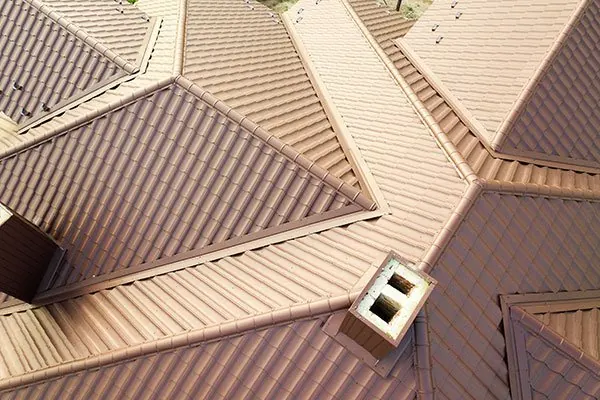
Terracotta and concrete tiles in Sydney
Sydney Roofs Repair arranges re-tiling across metropolitan Sydney in both terracotta and concrete, and the contractors who inspect can talk you through which suits your house. This page compares the two honestly, so the conversation starts from facts rather than sales pitches. Independent local roofing contractors supply and install the tiles.
How the two tiles are made
Terracotta tiles are pressed from clay and fired in a kiln. The colour comes from the clay and the firing, with glazed versions given a ceramic surface. Concrete tiles are moulded from cement, sand and pigment and then coated. The coating gives the colour and much of the water resistance at first; over time it weathers away.
Side by side
| Factor | Terracotta | Concrete |
|---|---|---|
| Colour over time | Holds well; colour is in the body | Surface coat fades and wears |
| Typical houses | Federation, inter-war, Californian bungalow, many new prestige homes | Post-war to modern brick-veneer and project homes |
| Weight | Heavy | Heavy, often slightly heavier per square metre |
| Surface ageing | Can develop lichen; usually remains hard | Becomes porous and grows moss and lichen as the coat wears |
| Upkeep | Ridges, valleys and flashings | Ridges, valleys, flashings and possible recoating |
| Purchase price | Usually higher | Usually lower |
Both are heavy compared with steel, so a contractor should check the frame if you are switching to tiles from a lighter roof, or changing between tile types with different weights.
Which suits which house
Period houses across Sydney's older suburbs were usually built with terracotta, and replacing like with like keeps the house looking right. On a 1970s or 1980s brick-veneer home, concrete tiles in a similar profile are the usual like-for-like choice, though some owners upgrade to terracotta for the colour stability. Many newer prestige homes use flat-profile terracotta for a cleaner look.
Heritage considerations
Sydney has a large number of heritage conservation areas, and their development control plans often say what roofing material and colour is acceptable on street-facing slopes. Unglazed terracotta in traditional colours is frequently expected on Federation streets. Before you choose, check your property on the NSW Planning Portal and read your council's controls, or ask the council's heritage adviser.
What makes a good tile roof, whichever tile
The tile is only part of it. Sound battens fixed at the right spacing, sarking that drains into the gutter, correctly sized valleys, clipped tiles where wind demands it and properly bedded and pointed ridges are what keep water out. A cheap install of an expensive tile will leak sooner than a careful install of a modest one. Our tile roof replacement page lists what the quote should include.
Getting a fair comparison
Ask for both options on the same quote, with the same scope for battens, sarking, ridges and flashings. That way the difference you see is genuinely the tile, not a difference in what each contractor left out.