SYDSydney Roofs Repair

Re-roofing for Sydney houses over a sound frame

Re-roofing keeps the frame and replaces what sits on it. When the trusses are sound, it is usually the fastest and most economical way to end a cycle of leaks.

At a glance

  • Most common Concrete tile to steel, galvanised iron to Colorbond
  • Frame Kept and checked; damaged timbers replaced as found
  • Extras to decide Insulated blanket, gutters, whirlybirds, skylights
  • Quote Free, itemised, after an on-site look
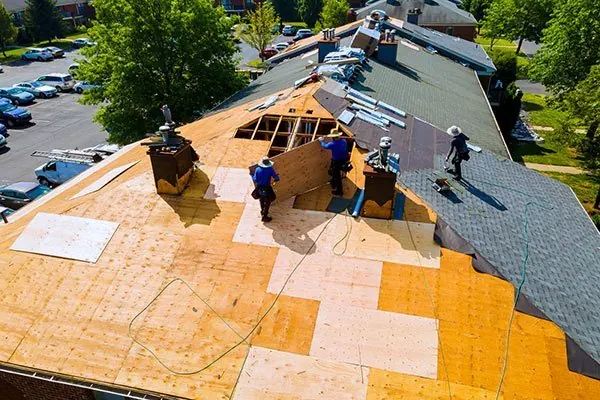
Old roof covering being stripped from a house roof

Re-roofing in Sydney

Sydney Roofs Repair arranges re-roofing for houses, townhouses and small commercial buildings across the Sydney metro area. Re-roofing replaces the roof covering, battens and sarking while keeping the existing roof frame, which is checked and repaired where needed. The most common jobs are converting concrete tile roofs to Colorbond steel, re-sheeting old galvanised iron with new pre-painted steel, and re-tiling where the owner or council wants the house to stay tiled. Independent local roofing contractors carry out the work.

Who re-roofing suits

Re-roofing suits houses where the frame is sound but the covering is not. That describes a great many Sydney homes built between the 1950s and the 1980s. Concrete tiles from that era have lost their surface coating, absorb water and grow lichen. Ridge capping has been patched more than once. Galvanised iron on older cottages has rusted along every lap. In each case, keeping the frame and replacing everything above it gives a near-new roof without the cost and disruption of structural work.

Tile to steel

A tile-to-steel conversion removes the tiles and tile battens, fixes new battens at the spacing the steel manufacturer specifies, lays an insulated blanket or sarking, then fixes the sheets with the correct screws for the site. Ridges, hips and valleys are replaced with folded steel flashings. The roof loses a great deal of weight, which can help older frames, and the lack of mortar joints removes a common source of leaks.

Points to settle before you sign:

  • The profile and colour, and whether a lighter colour suits the house and street.
  • Whether the steel grade suits a coastal site. Homes close to breaking surf may need a more corrosion-resistant product.
  • What happens to the gutters and fascia. Many owners replace them at the same time.
  • Whether a heritage conservation area or a particular council control limits the change of material.

Steel to steel

On older houses with corrugated iron, the new roof is often the same profile in pre-painted steel, which keeps the look of the house while ending the rust. Laps, fixings and flashings are all new, and the old timber battens are checked, as some cottages have hardwood battens in good order while others need replacement.

Re-tiling

Where tiles are staying, re-tiling uses new concrete or terracotta tiles on new battens and sarking. It costs more and takes longer than steel, but keeps the character of houses where tiles are part of the street's appeal. Our tile roof replacement page goes into more detail.

Planning and approvals

Before work starts, check whether your property is a heritage item, sits in a heritage conservation area or lies on bushfire-prone land, as each can affect what you are allowed to install. The NSW Planning Portal and your council's planning team can confirm. Our permits guide covers what usually applies and who to ask.

Checklist: what the re-roofing quote should cover

1What the frame and battens look like now, and the allowance for repairs
2New batten type and spacing for the chosen covering
3Sarking or insulated blanket specification
4Sheet or tile range, profile, colour and fixings
5Flashings at walls, chimneys, skylights and penetrations
6Solar panel removal and refit if panels are on the roof
7Gutters, downpipes, fascia and any box gutters
8Waste removal, edge protection and daily weather covering

Sydney roofing price bands →

Q&A

Straight answers to common questions

What is the difference between re-roofing and roof replacement?

The words are often used interchangeably. On this site, re-roofing means replacing the covering, battens and sarking while keeping the existing trusses or rafters. Roof replacement can go further, including structural repairs or changes to the roof's shape. Either way the quote should spell out exactly what is being replaced.

Why do so many Sydney owners switch from tiles to steel?

Steel is much lighter, goes on quickly, has fewer joints for water to find, and needs no ridge pointing. It also suits solar panels well. Some owners prefer the look and sound of tiles, and in heritage areas council may expect tiles to stay, so it is a choice rather than an automatic upgrade.

Is a steel roof noisy in the rain?

Steel over a proper insulated blanket and a ceiling with insulation is generally much quieter than people expect. Rain noise is most noticeable on open verandahs and carports without a ceiling. Ask the contractor which blanket they include and whether ceiling insulation is worth topping up while the roof is open.

Can solar panels stay on during a re-roof?

No, they need to come off so the covering underneath can be replaced, then go back on. That work should be done by an accredited solar installer and an electrician. Include it in the quote, or arrange it separately, so the roofer is not waiting on the panels.

What happens if the battens or trusses are rotten?

The contractor replaces or reinforces them once the old roof is off. Because the extent cannot always be seen in advance, the quote should state an allowance or a rate for timber repairs, so a surprise does not turn into an argument.

Free of charge

Book a quote

Prefer to talk it through? Call and describe the job.

Call now 02 3814 2198

Describe the roof problem

Sydney Roofs Repair Call now 02 3814 2198 Free roof inspection
Call now 02 3814 2198