Why roofing quotes vary so much
Sydney Roofs Repair arranges free on-site roofing quotes across metropolitan Sydney, and the most common question after the first quote arrives is "why so much?" The answer is almost always found in the scope: what the contractor has to do, how long it will take, and what materials are involved. This guide walks through the factors that move a roof replacement price. For actual 2026 price bands, see our roof replacement cost page.
1. Roof area
The starting point. More area means more material, more labour and more waste. Contractors usually measure the actual roof surface, which is larger than the floor area because of the pitch and the eaves.
2. Pitch
Steeper roofs are slower and more dangerous to work on. They need more edge protection or full scaffold, and crews move more carefully. Very low pitches bring their own challenges, because each sheet profile has a minimum pitch and the details have to be right to avoid ponding.
3. Complexity
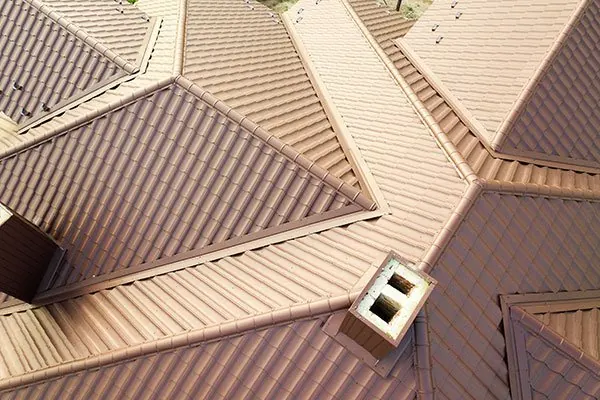
A simple gable roof is the cheapest shape to replace. Every hip, valley, dormer, skylight, chimney and change of level adds cutting, flashing and time. Many Sydney houses, particularly Federation homes and those with multiple extensions, have complex roofs that cost more per square metre.
4. Storeys and height
Two-storey homes need more scaffold, longer ladders or hoists, and more time moving materials. Sloping blocks, common across the north shore and the hills, can make one side of a house effectively two storeys high.
5. Access
Terraces with no side access, houses on steep driveways, narrow streets with no room for a truck, and properties where materials must be carried through the house all add labour. Some jobs need a crane or a council permit to put scaffold or bins on the footpath.
6. What is coming off
Tiles are heavy to remove and costly to dispose of. Steel is lighter and often recyclable. Slate needs careful removal if it will be re-used. Asbestos cement must be removed by a licensed removalist under SafeWork NSW rules and taken to a licensed facility, which adds a separate cost.
7. The timber underneath
Battens and trusses cannot always be fully assessed until the old roof is off. Rotten battens, borer damage or sagging rafters must be repaired before the new roof goes on. A good quote includes either an allowance or a rate for this work.
8. The new roofing material
Standard pre-painted steel, coastal-grade steel, concrete tiles, terracotta and slate all sit at different price levels. Within each, premium ranges and special colours or profiles cost more.
9. Sarking, insulation and ventilation
Sarking under tiles, an insulated blanket under steel, extra ceiling insulation and roof ventilation all add cost but improve comfort and durability. Ask for each to be listed so you can see what you are paying for.
10. Gutters, fascia and downpipes
Old gutters often do not suit a new roof, and replacing them during the job is easier than doing it later. Box gutters on terraces and commercial buildings are a bigger job again.
11. Solar and services
Solar panels need to come off and go back on, done by accredited installers. Antennas, air-conditioning units and vents also need removal and reflashing.
12. Approvals and paperwork
Most like-for-like re-roofs need no council approval, but heritage items, conservation areas, bushfire-prone land and structural changes can require consent or a certifier. Home building compensation cover is required by NSW Fair Trading for residential jobs above its threshold. See our council approval guide.
Three ways quotes are written
Roofing quotes arrive in different styles, and knowing them helps you compare.
- Lump-sum quotes give a single price for a defined scope. They are easy to compare, but check how hidden timber damage and other surprises are priced.
- Itemised quotes list each part of the job with its own price. They take longer to read but make it easy to see where money goes and to drop or add extras.
- Quotes with provisional sums include allowances for uncertain items, such as replacing battens or asbestos testing, with the final cost adjusted to what is actually needed. Ask how the allowance was calculated.
Whichever style you receive, ask the contractor to confirm in writing what is included, what is excluded, and how variations will be priced and approved before they are carried out.
Factors that rarely matter as much as people think
- The brand name of the roofer's van. A small local business and a larger company can both do excellent or poor work. Licences, references and the quote's clarity tell you more.
- The headline material price. Material is often a smaller share of the total than labour, access and removal.
- Small differences in sheet thickness or tile weight within a product range, compared with getting the installation details right.
Comparing quotes fairly
Put two or three quotes side by side and check that each includes the same items: removal, disposal, battens, sarking, covering, flashings, gutters, scaffold, timber allowance and paperwork. Ask each contractor to explain anything missing. The difference in totals often shrinks once the scopes match.
General information for Sydney property owners. It does not replace an inspection of your roof, and rules change: check with your council, NSW Fair Trading or SafeWork NSW as relevant before acting.